Waste sorting is a standard part of the lives of most Czechs today, which is why we want to raise awareness about the importance and possibilities of sorting at our University.
- More than 75 % of the population of the Czech Republic sorts waste actively
- 10,892,694 residents of the Czech Republic have the opportunity to sort waste, which represents 99 % of the population
- Three-quarters of the population actually sort their waste
- The average distance to the nearest waste sorting point is 91 meters
- In 2024, 1,172,518 tons of packaging waste were sorted
zdroj: EKO-KOM company
Don't know what, where, or how to sort your waste properly, but would you rather throw it in the mixed waste? Information from EKO-KOM - an expert in waste sorting – can help you. Just click on the individual materials, and you will see practical information about the types of sorted waste:
Paper Plastics Glass Beverage cartons Metals Bio waste Gastro waste Elictronic waste and batteries Textile Edible oils and fats Mixed waste
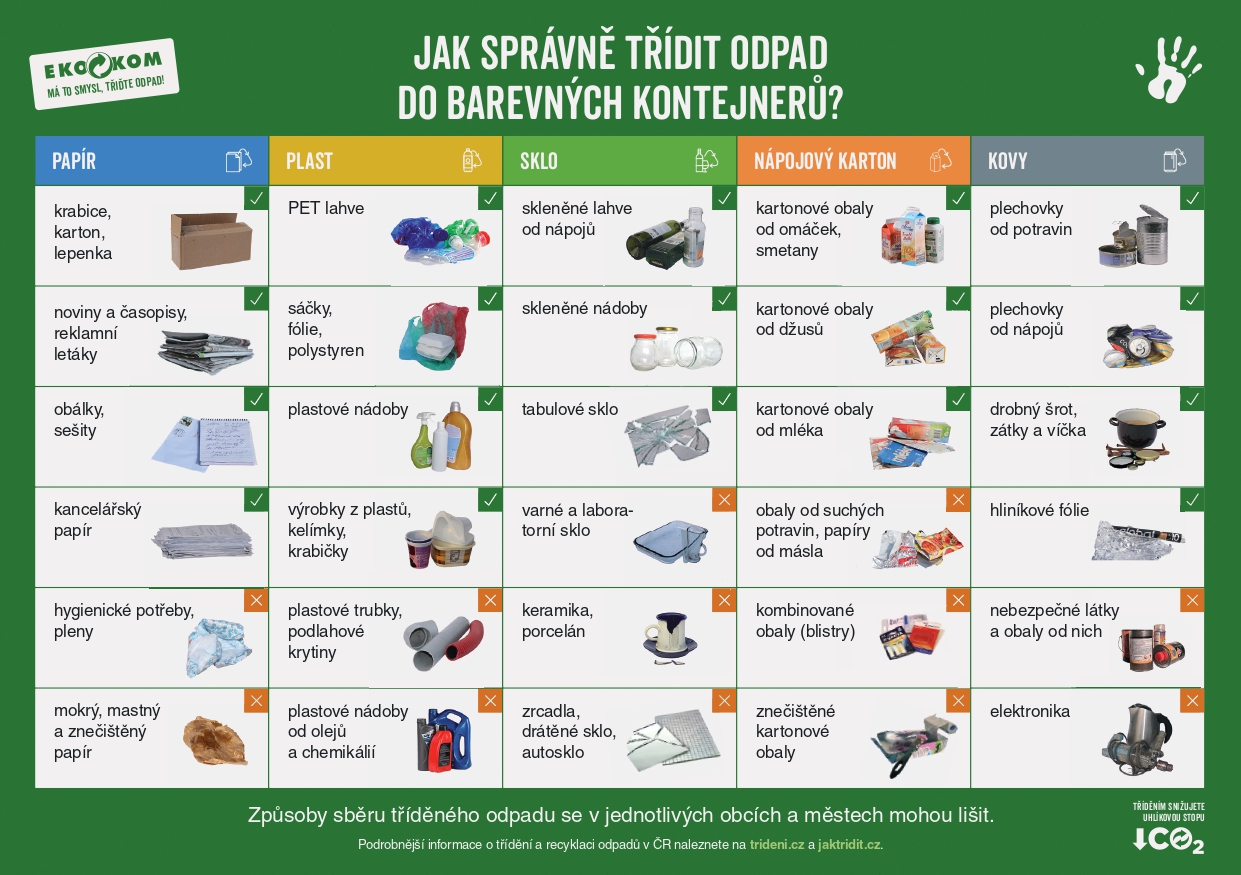
You can find materials to sort alphabetically more easily here.
Please contact the Operations and Technical Department regarding construction, bulky, or hazardous waste.
|
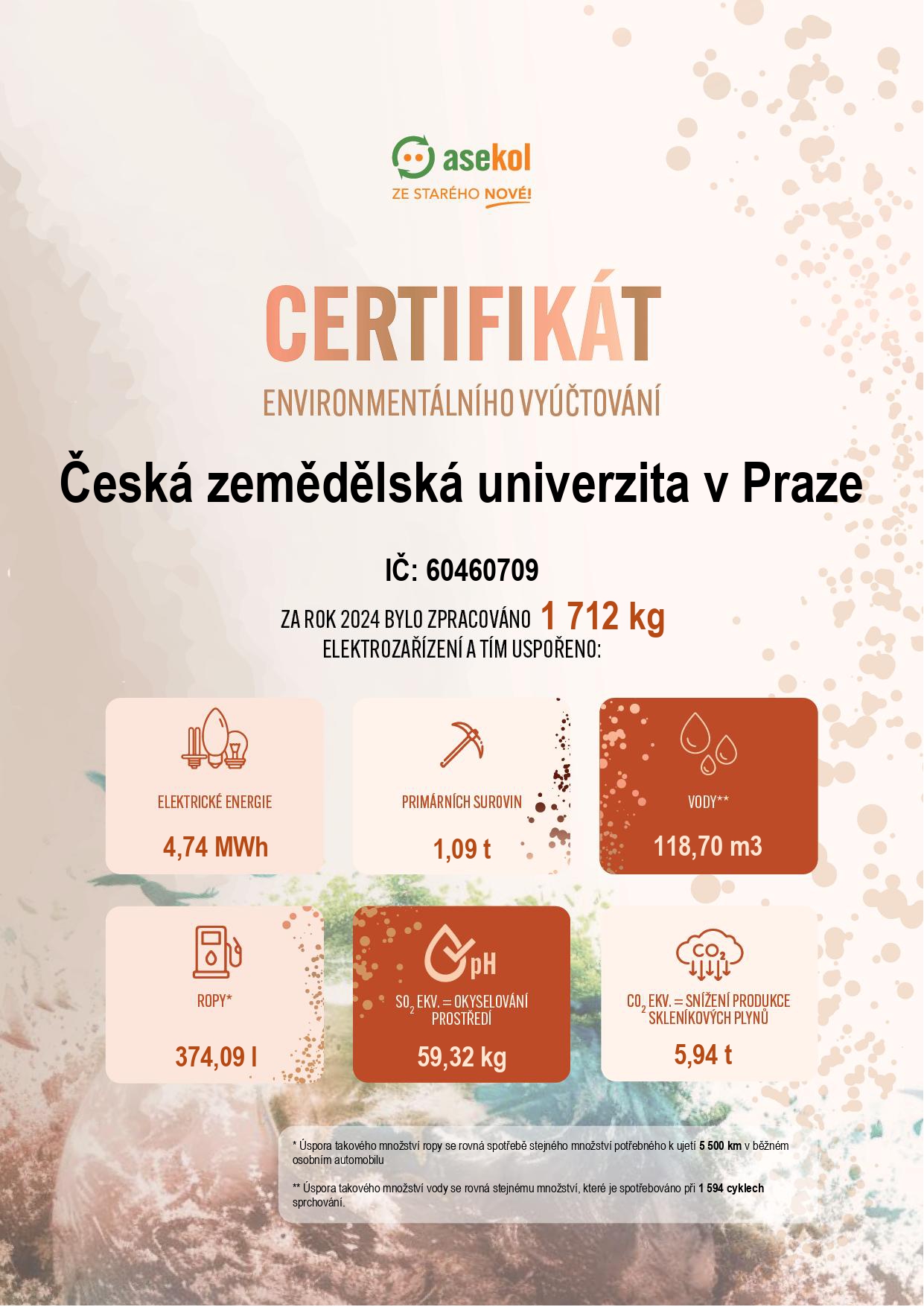
How do we sort at ČZU?They wrote about us – LIVE UNIVERSITYBy collecting and recycling electrical appliances, we reduce the burden on the environment.The Czech University of Life Sciences in Prague has chosen the collective system ASEKOL to cooperate with to ensure the collection and recycling of end-of-life electrical equipment. Electrical waste contains several materials that are harmful to health, and by providing the ecological recycling of end-of-life electrical equipment, we contribute to protecting the environment. Recycling also enables the reuse of materials and is one of the basic principles of the circular economy. The rate of material reuse is very high and, depending on the product type, reaches up to 95 per cent.Read more here: https://1url.cz/pJkA6.
|
 |
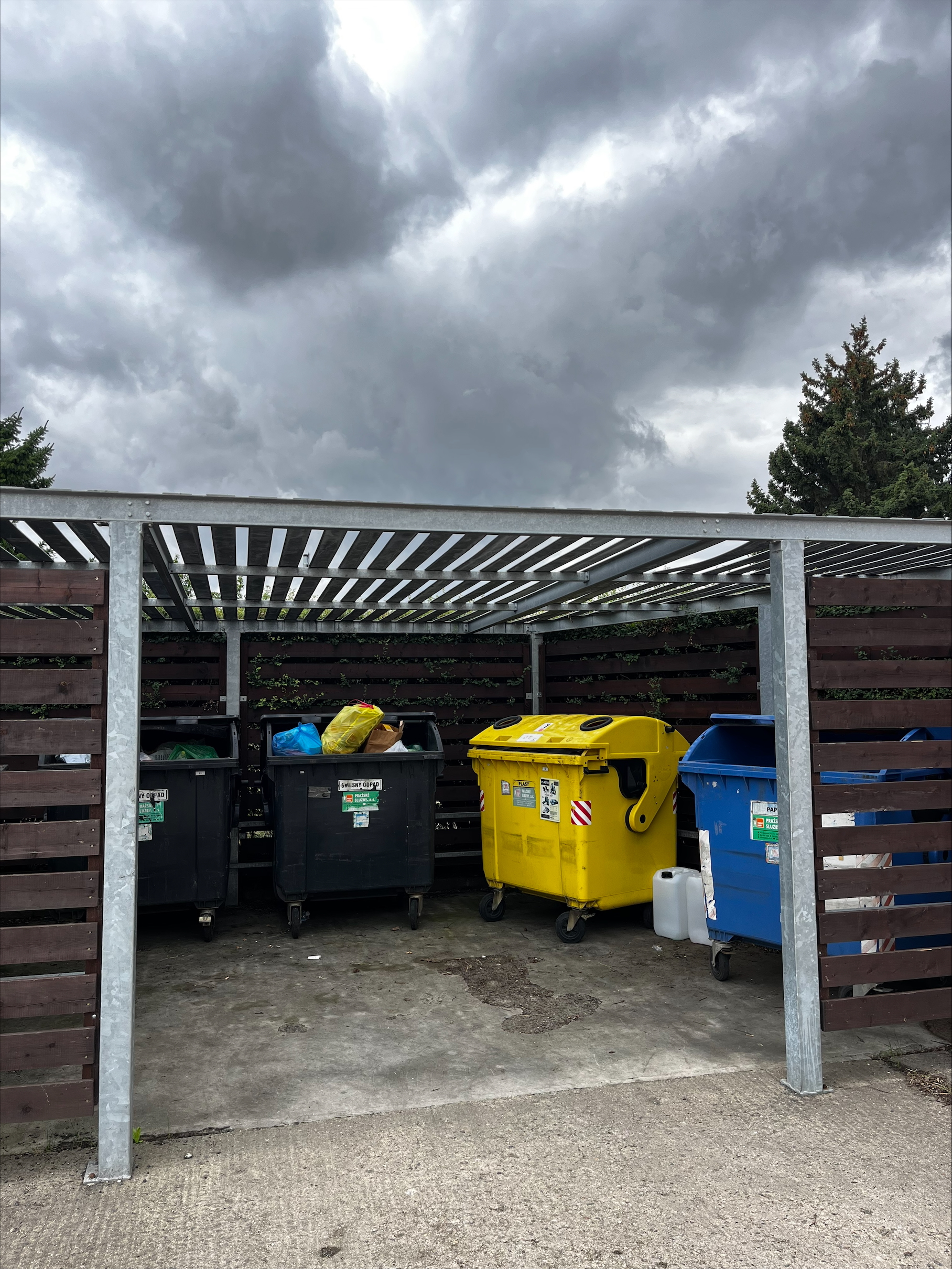
The university campus has mass collection points with large-capacity containers for sorted waste.
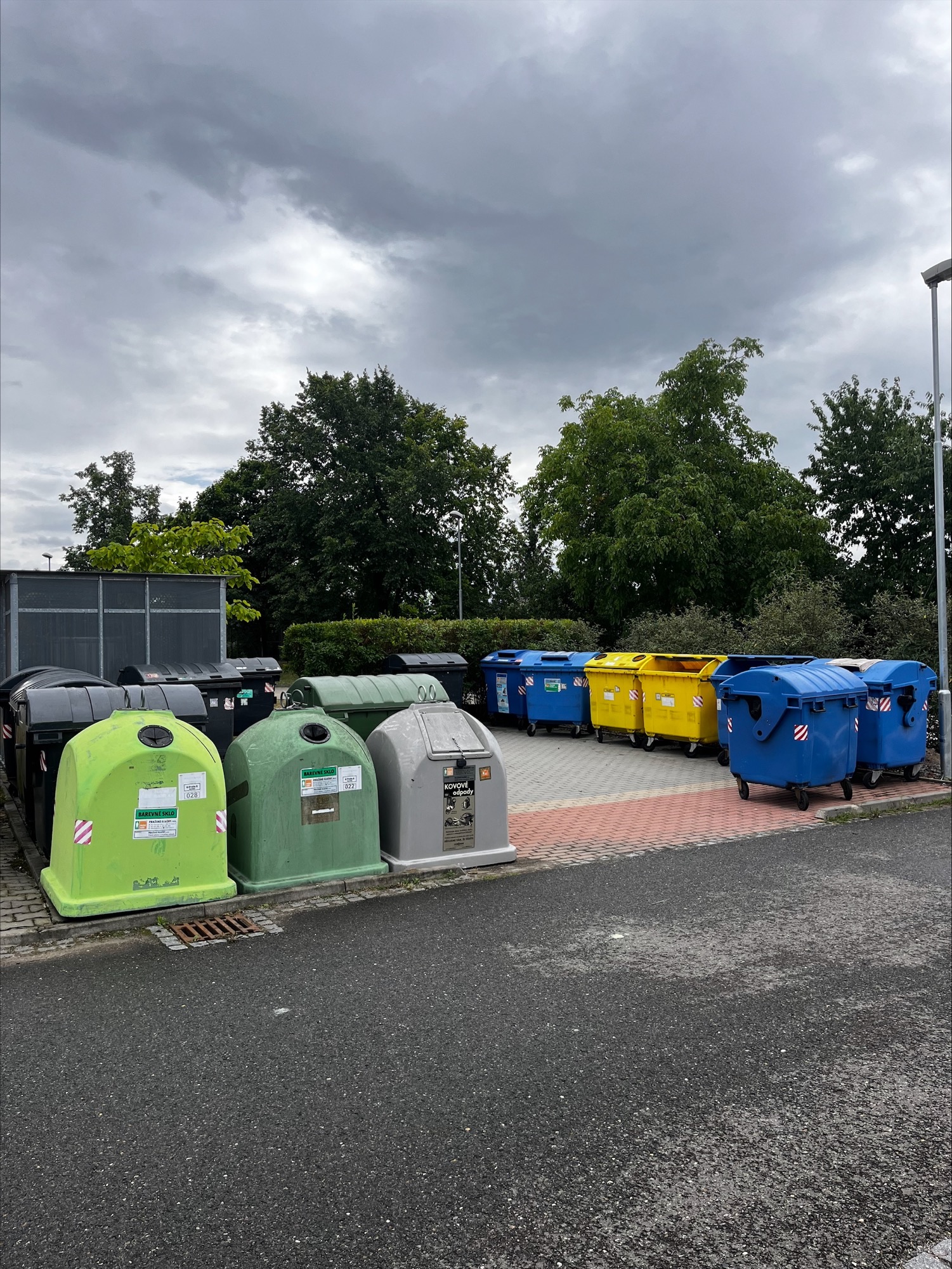
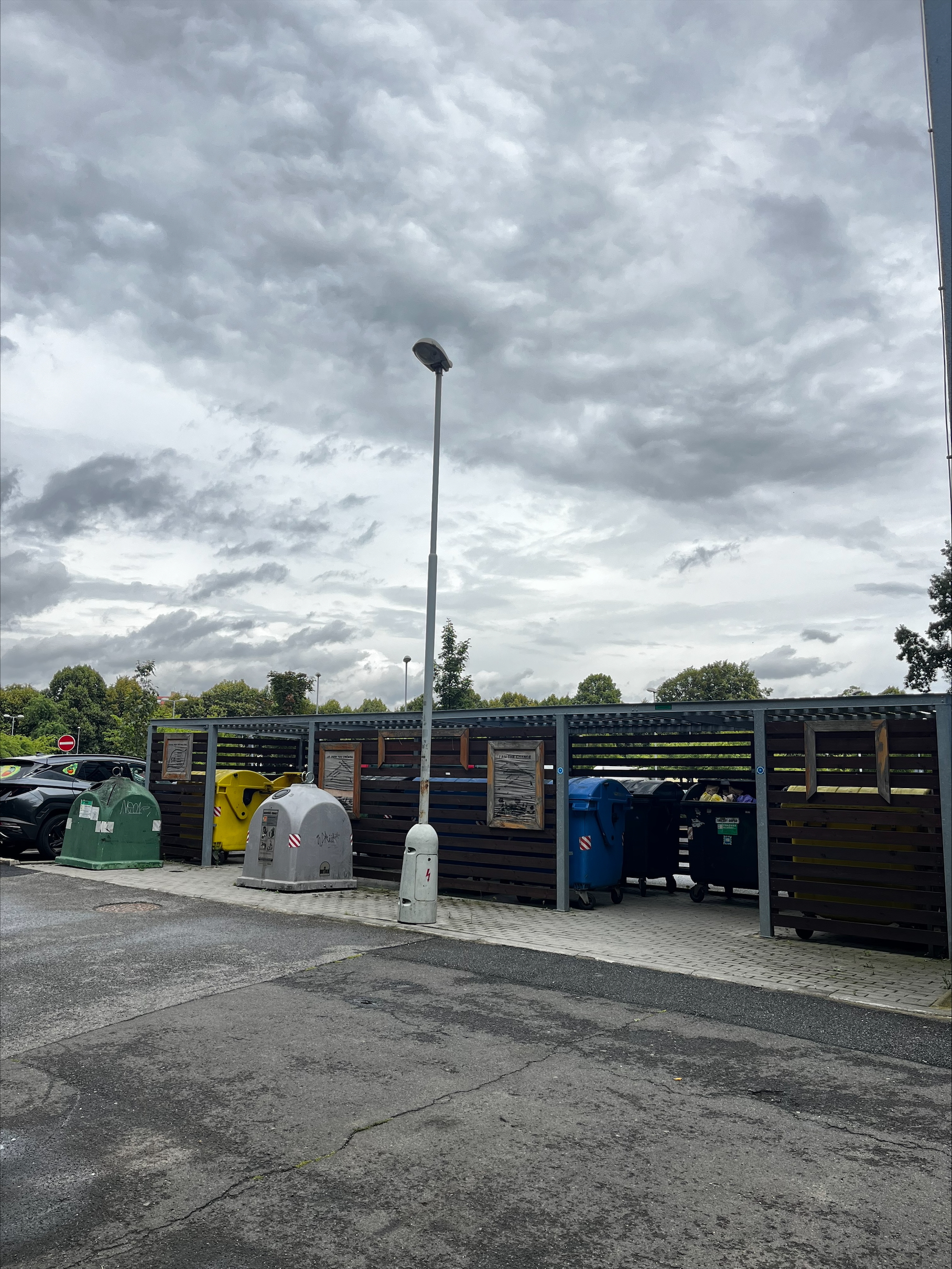
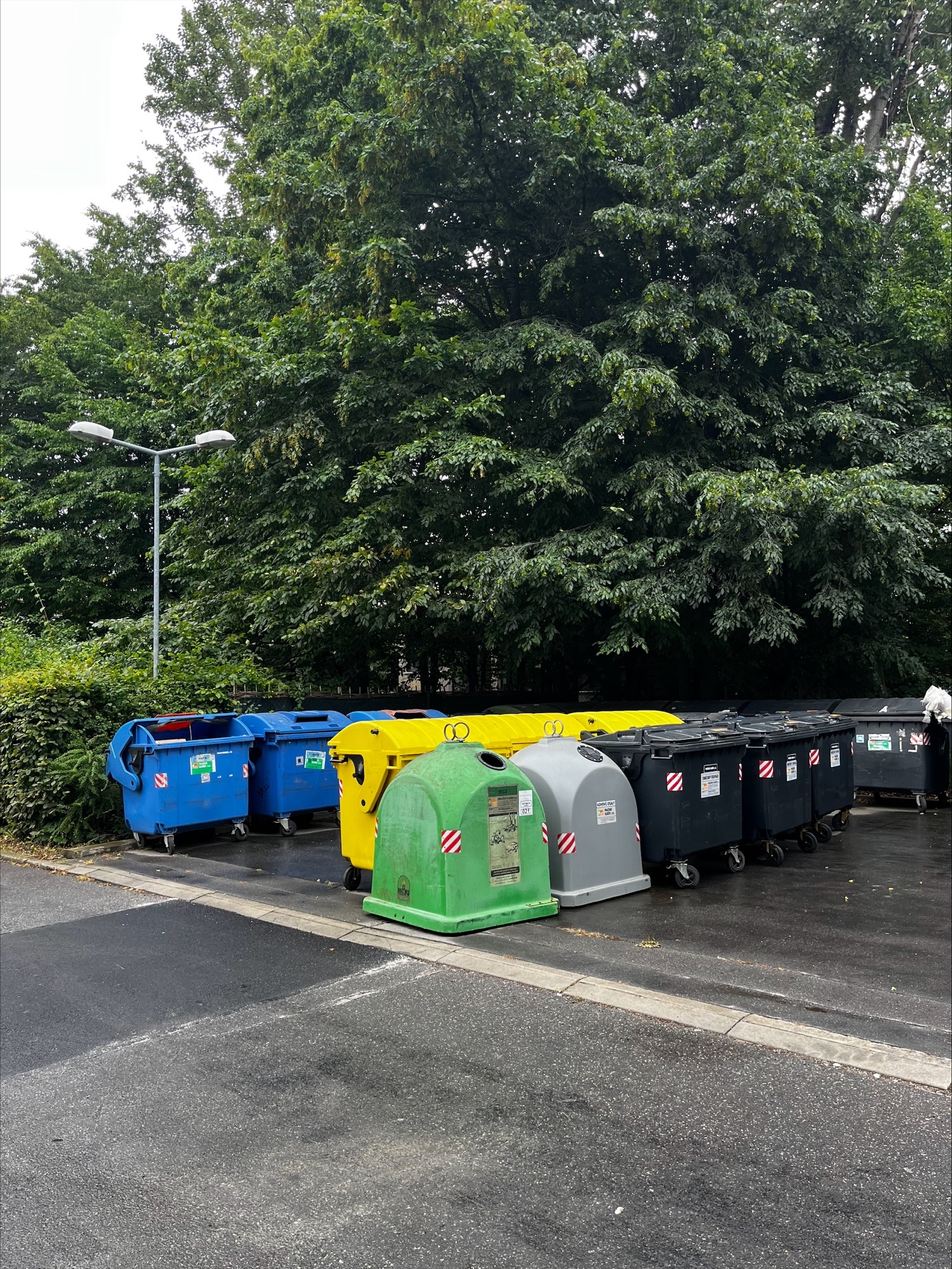
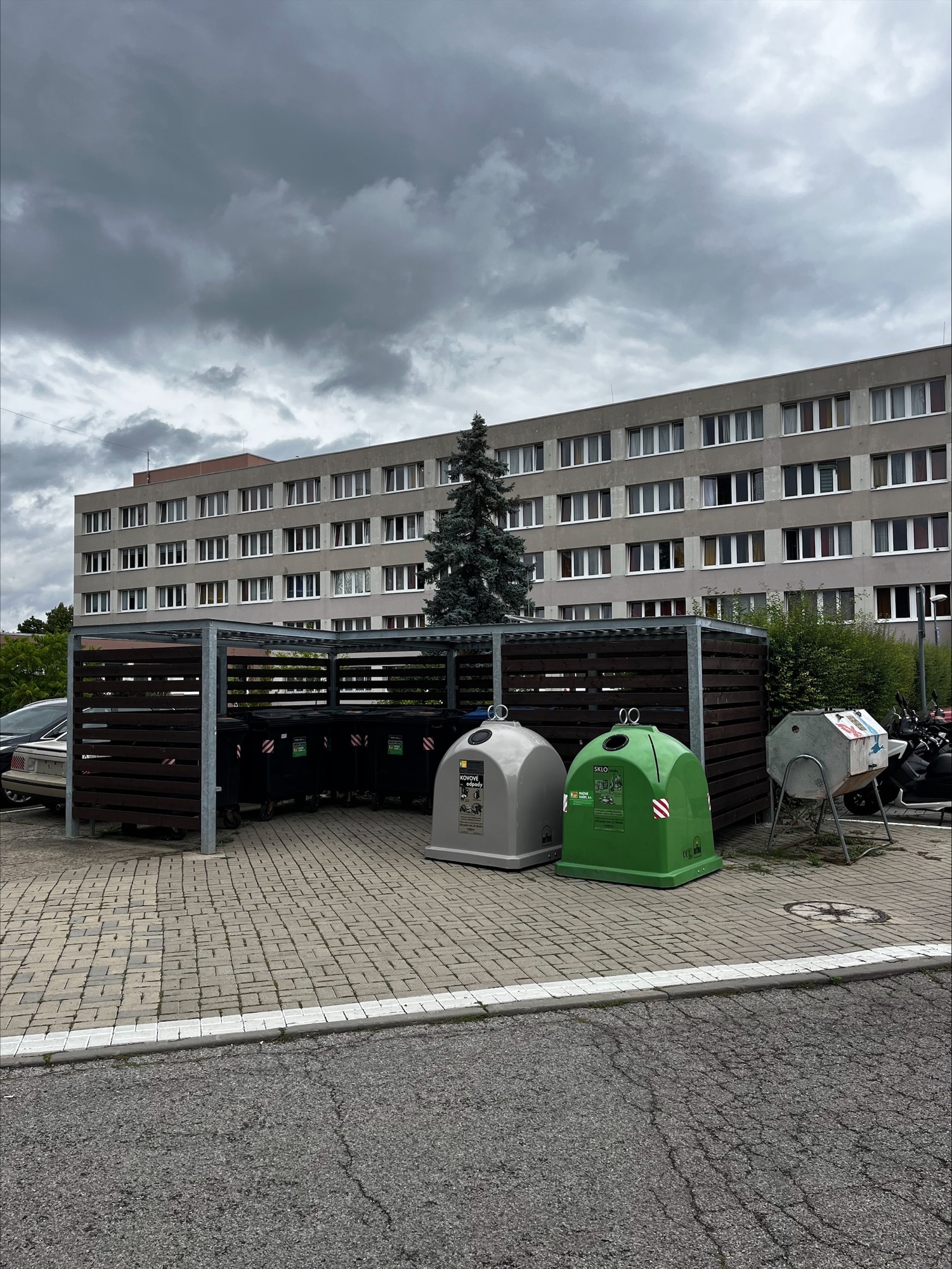
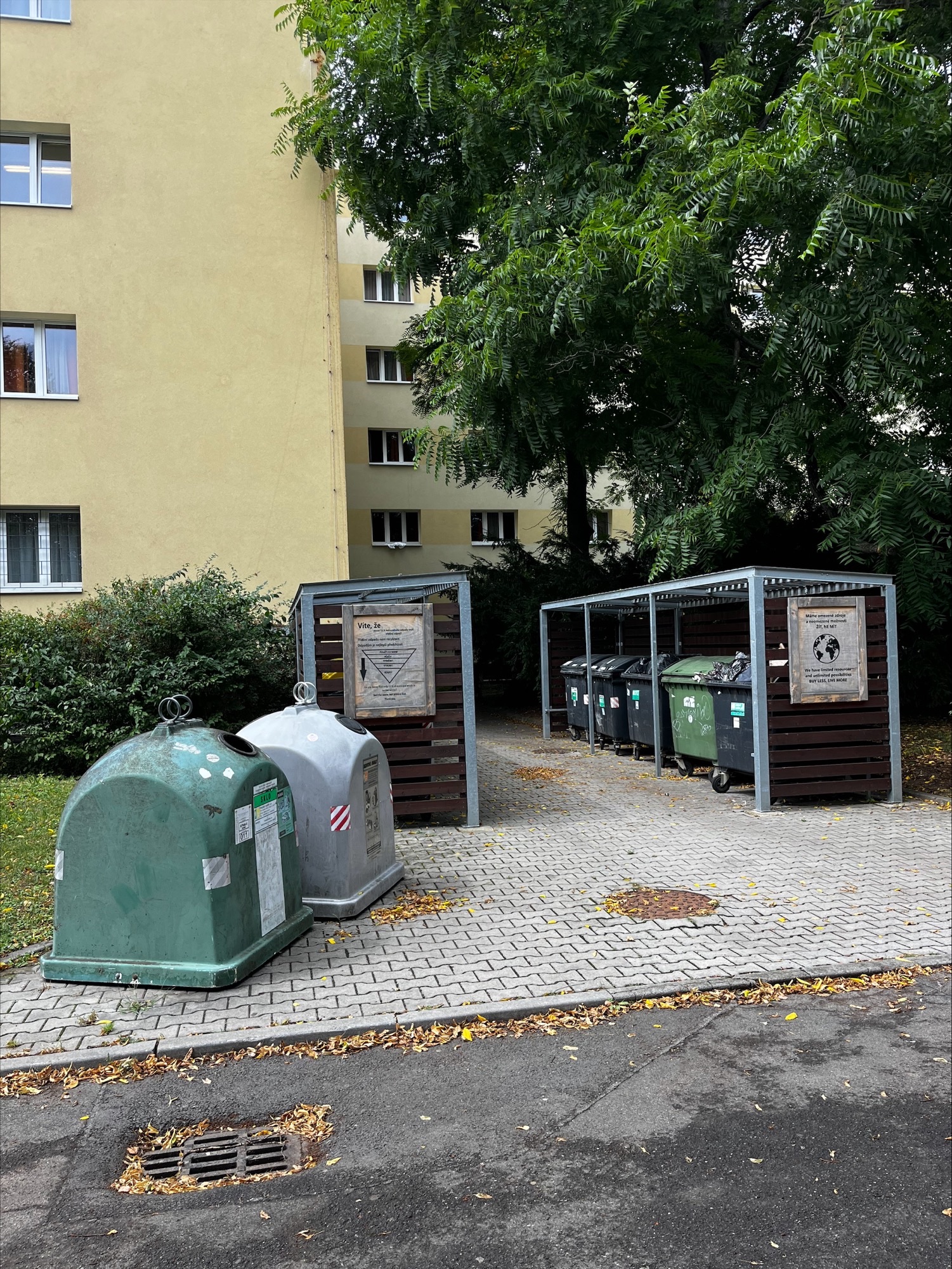
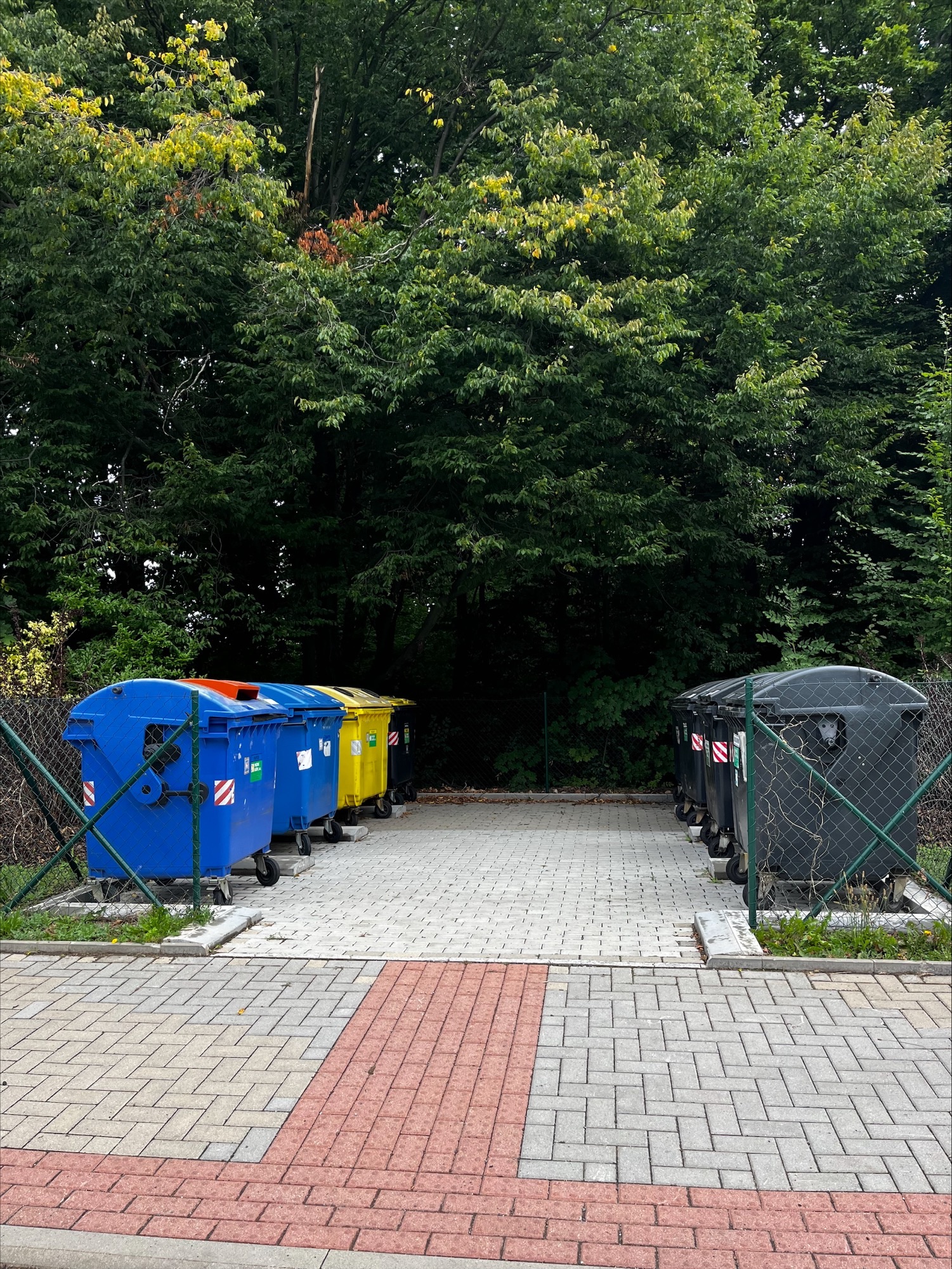
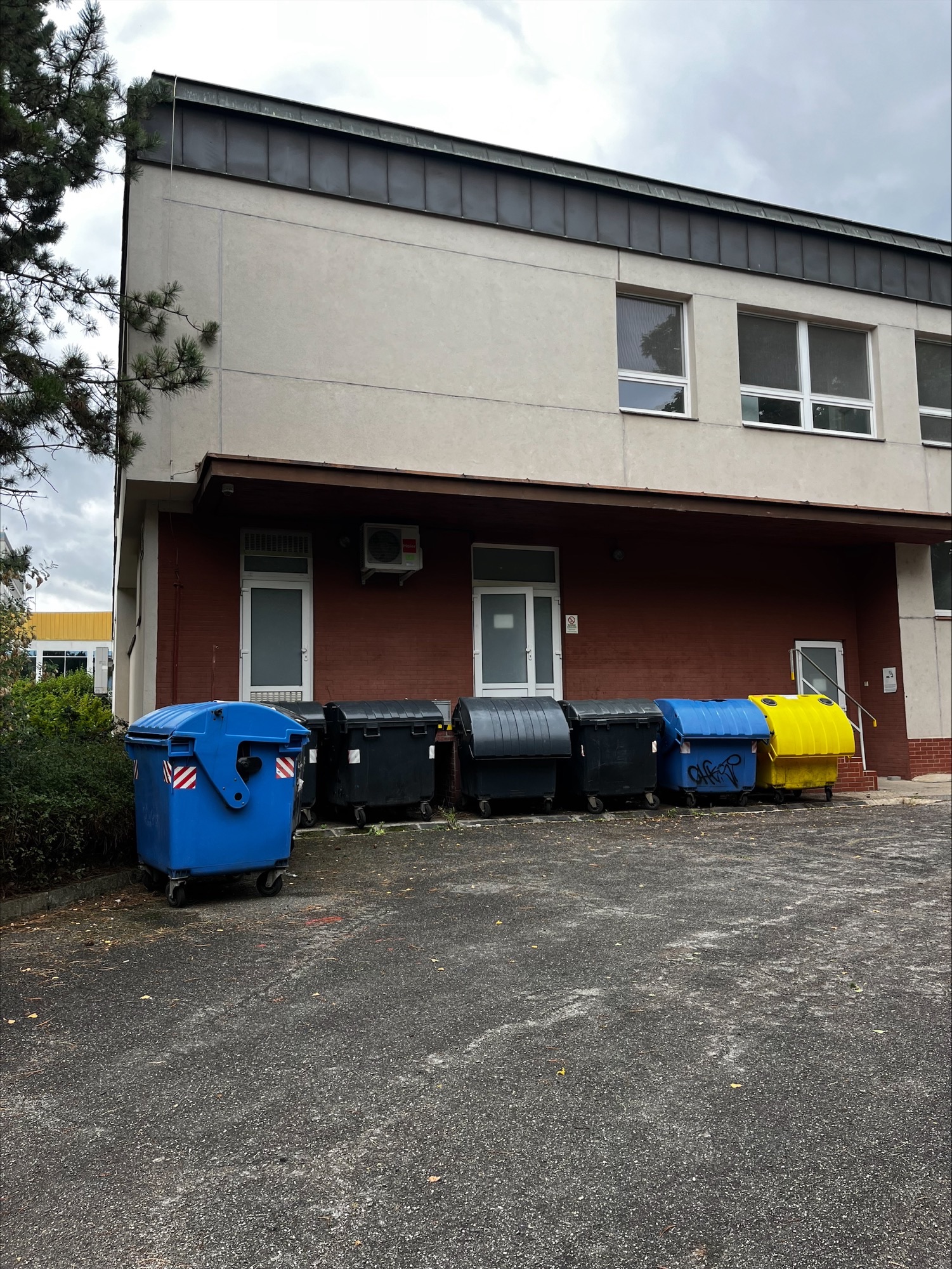
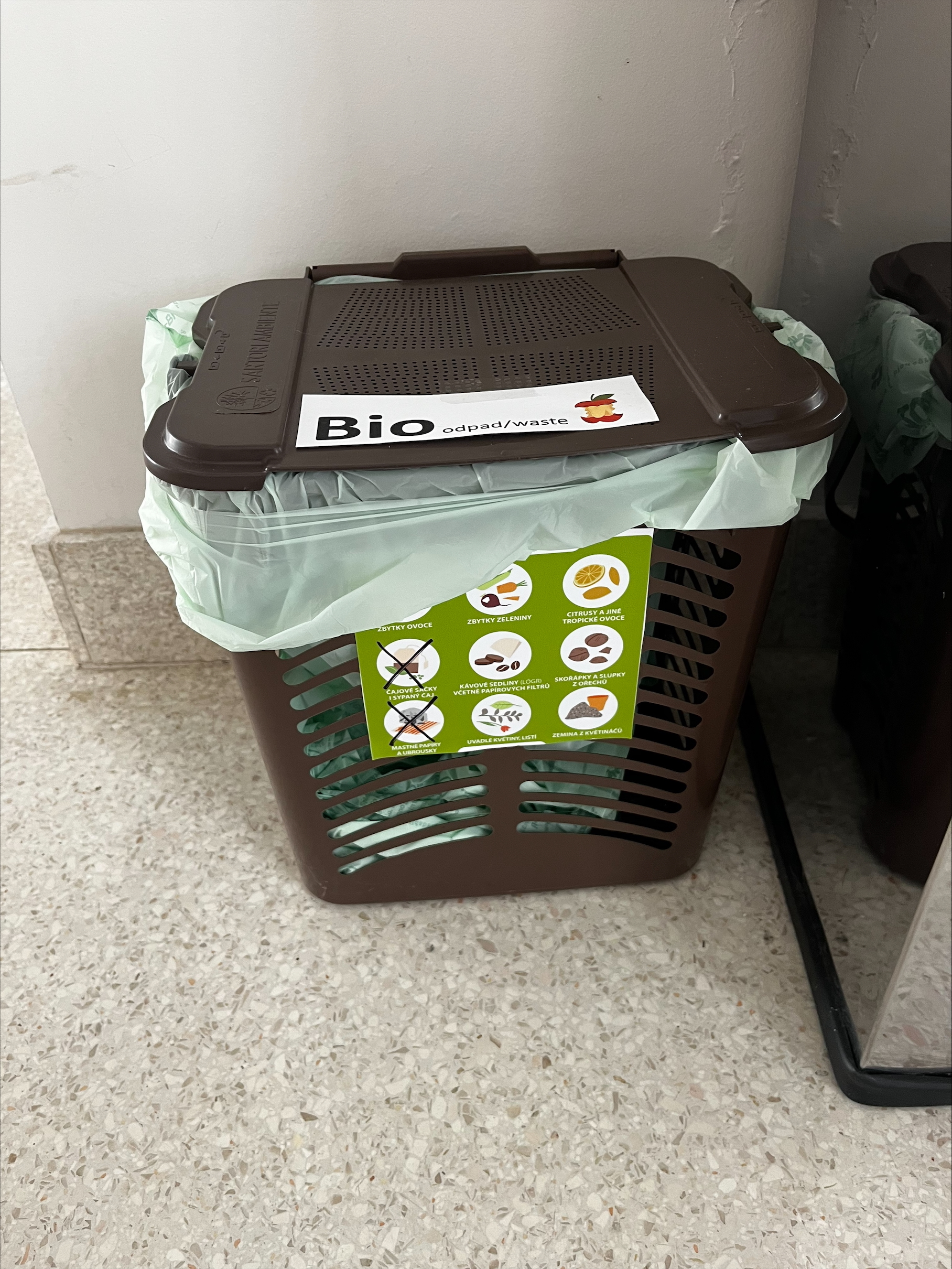
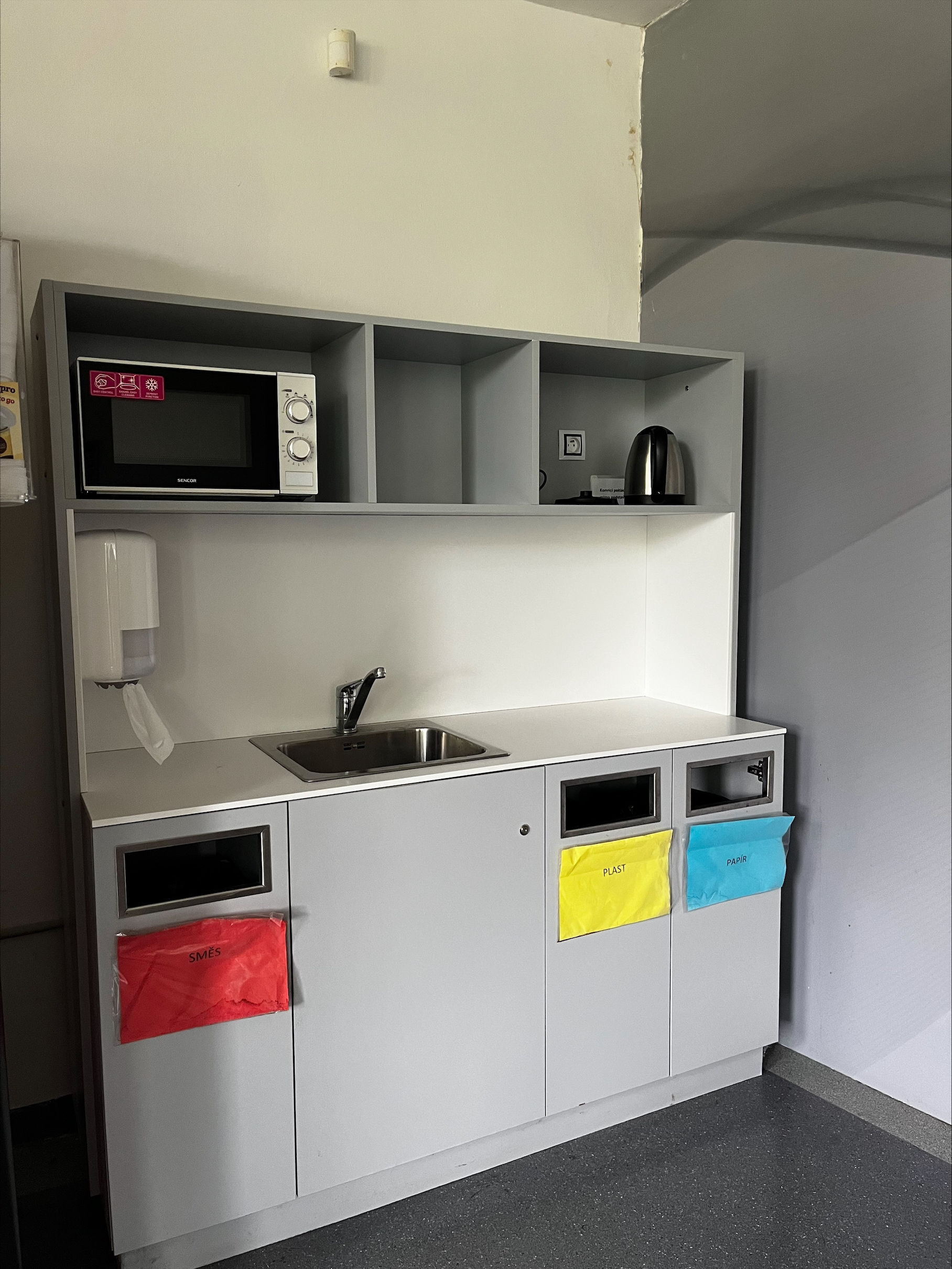
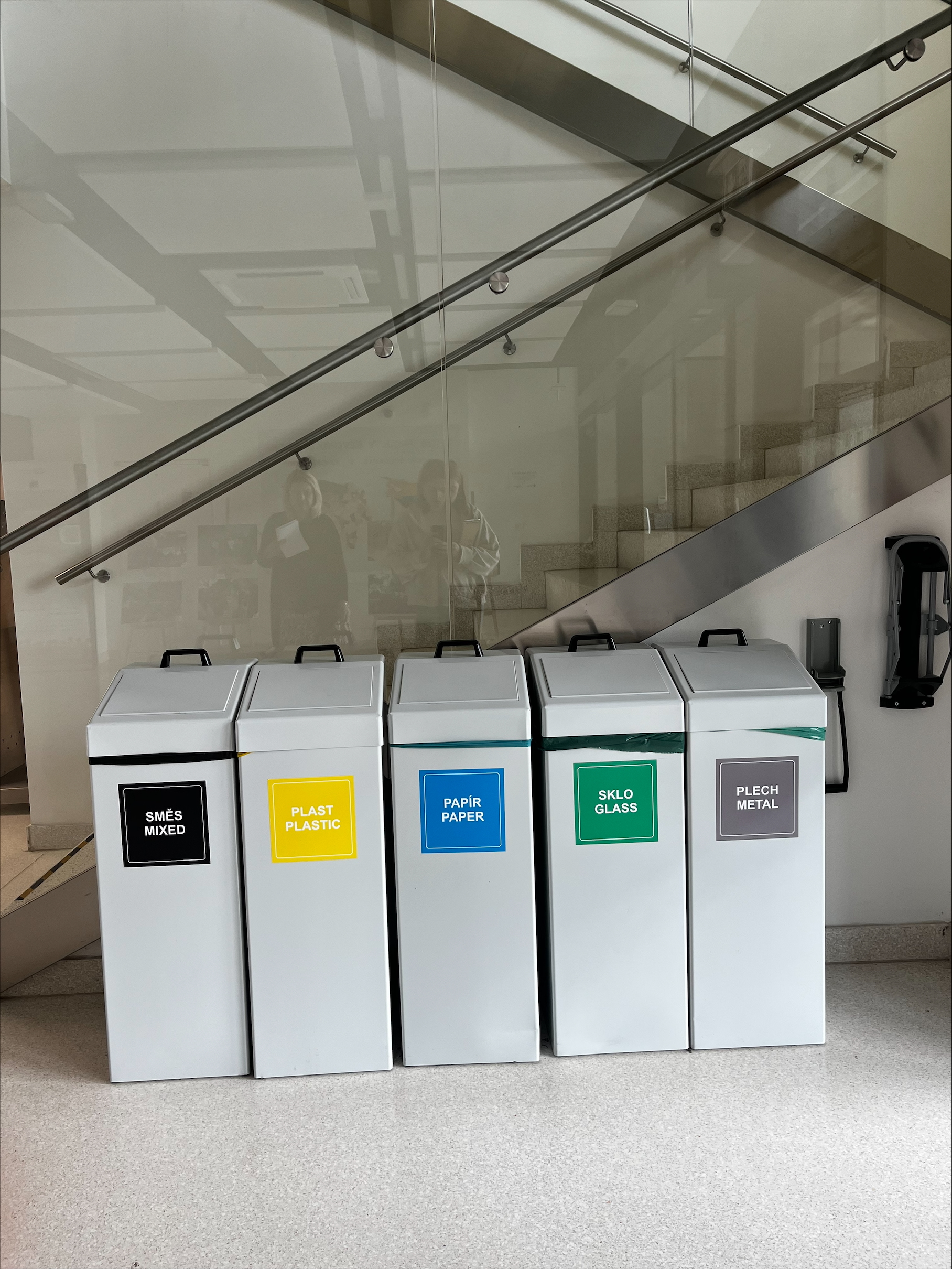
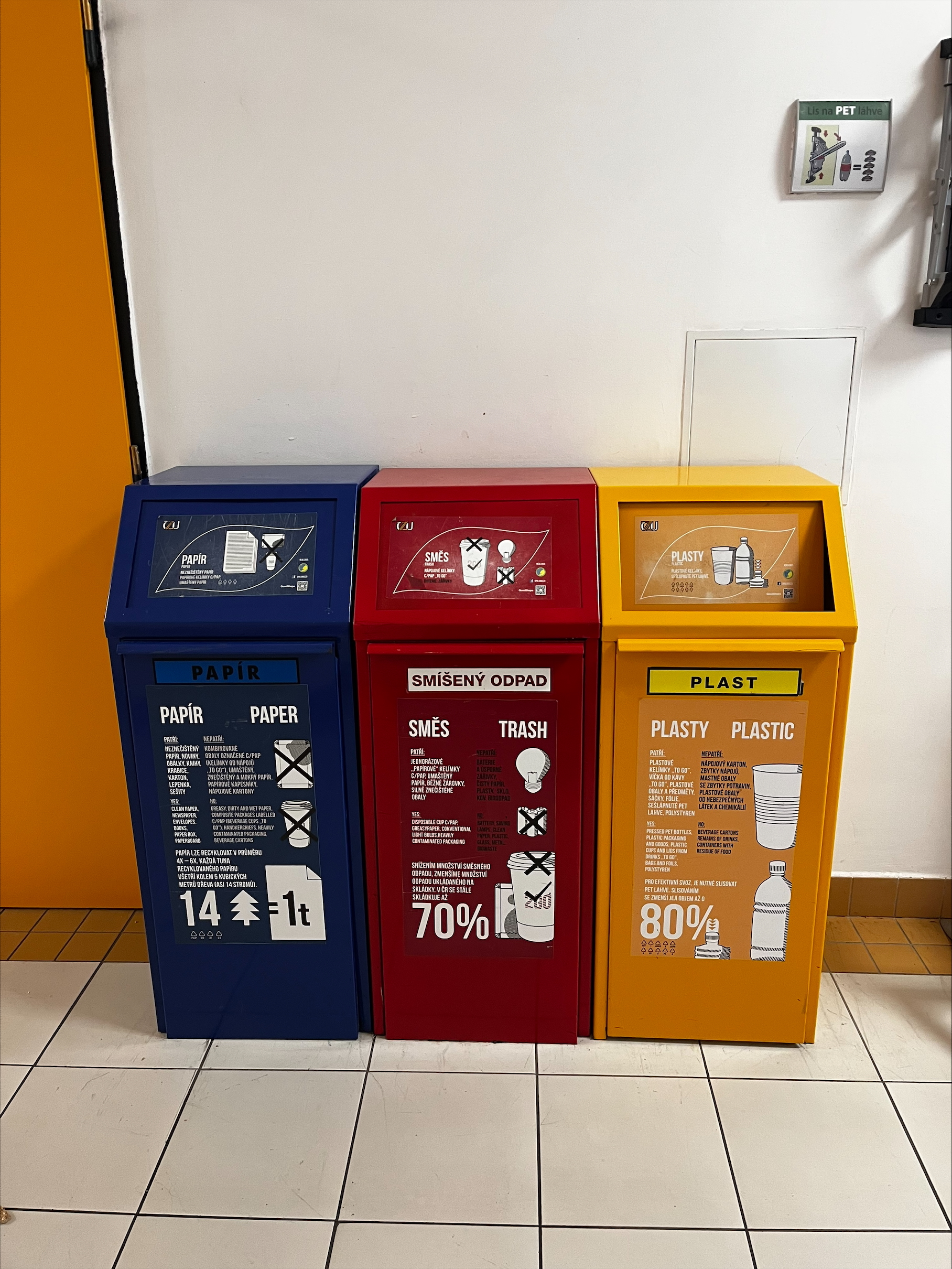
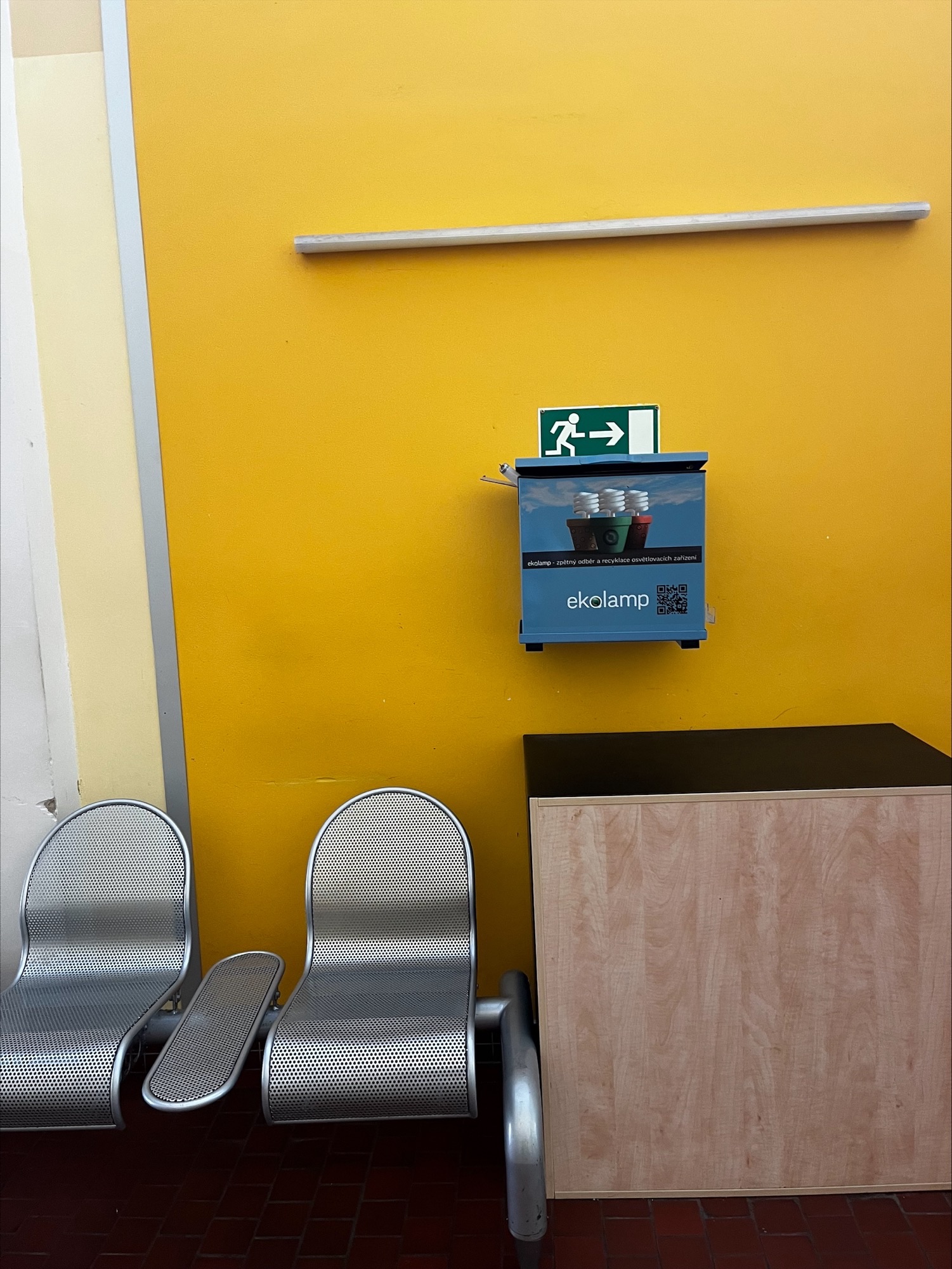
Inside the buildings, you will find smaller containers for sorted waste, which are distinguished by color.
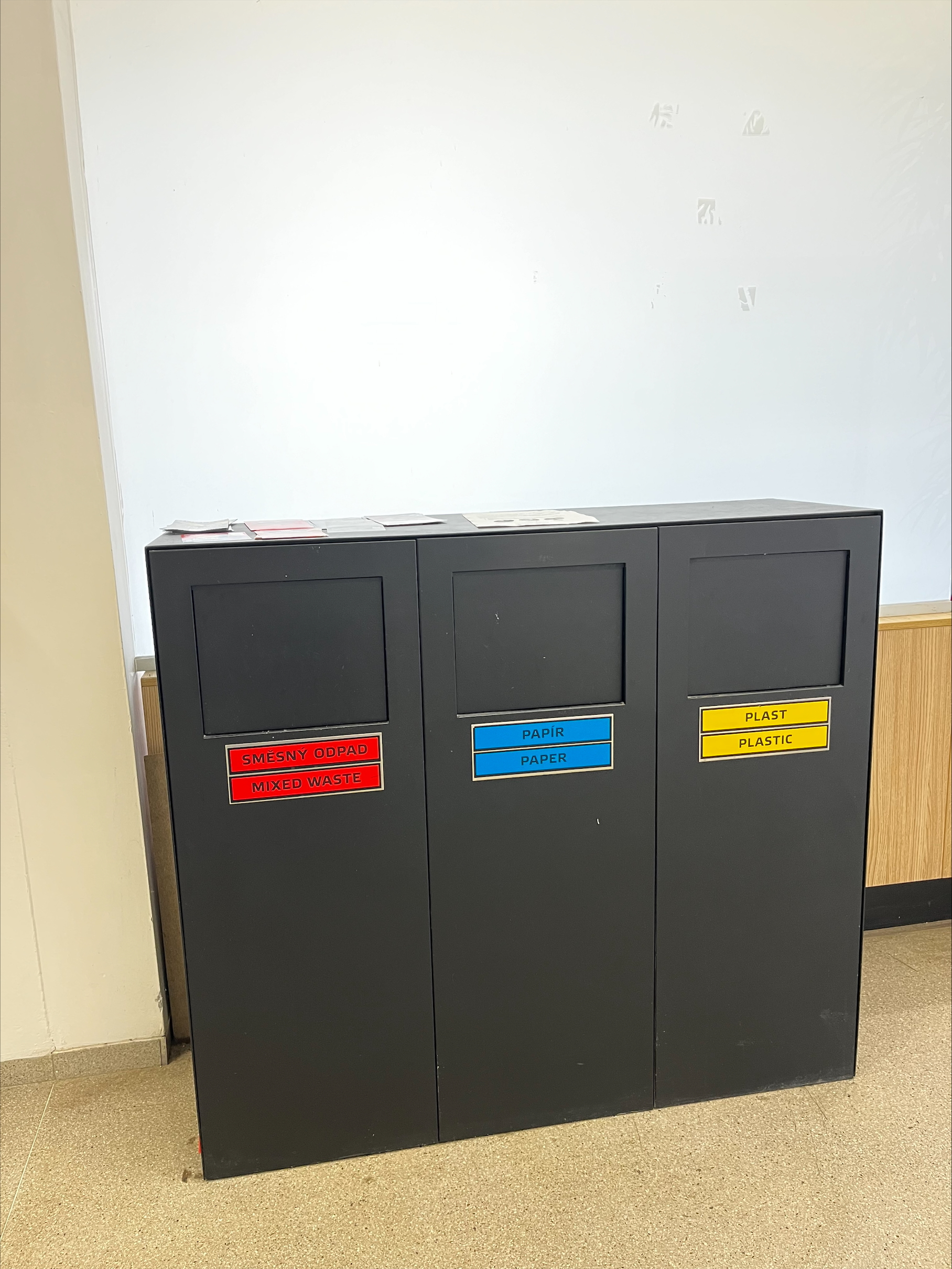
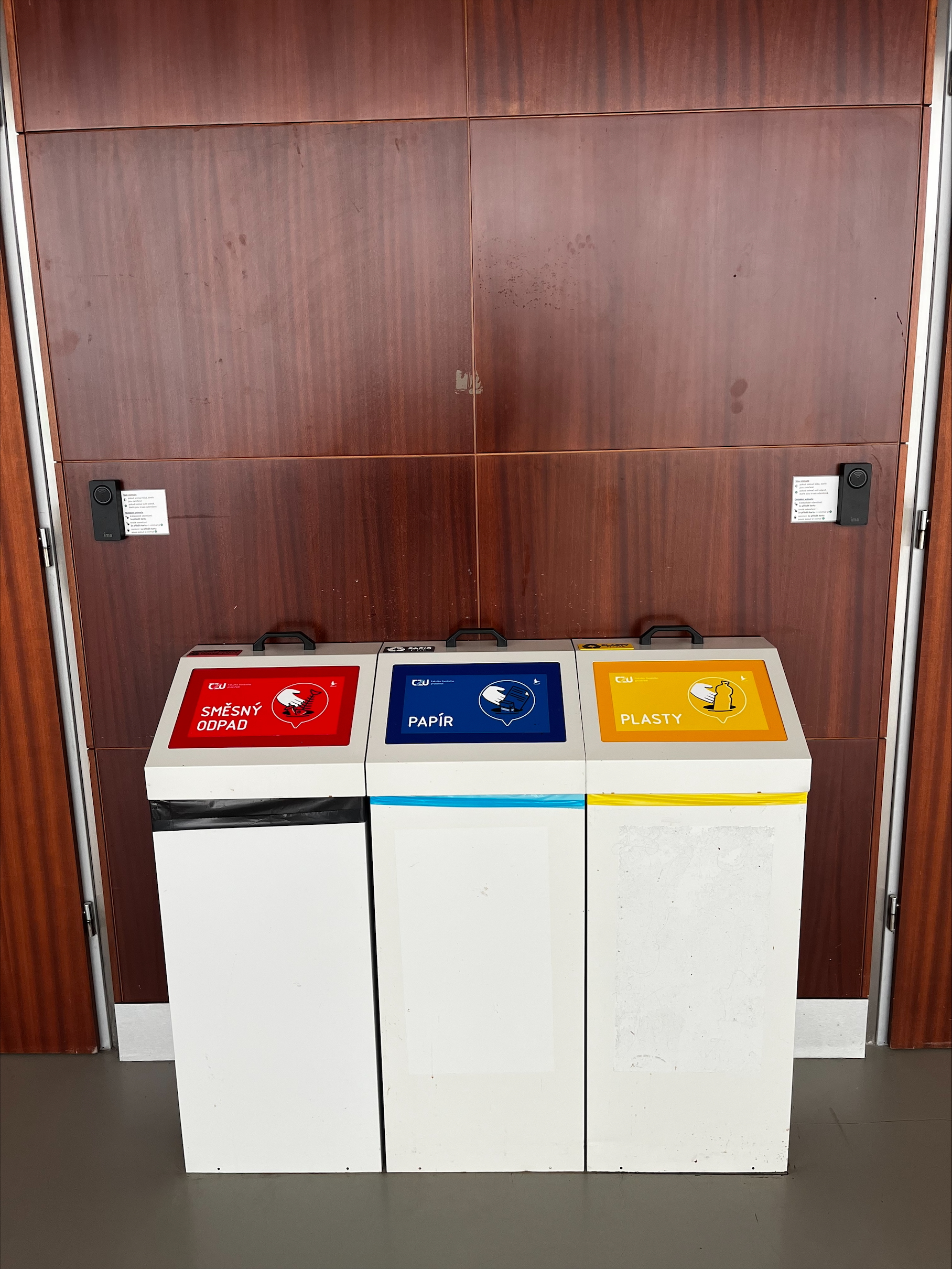
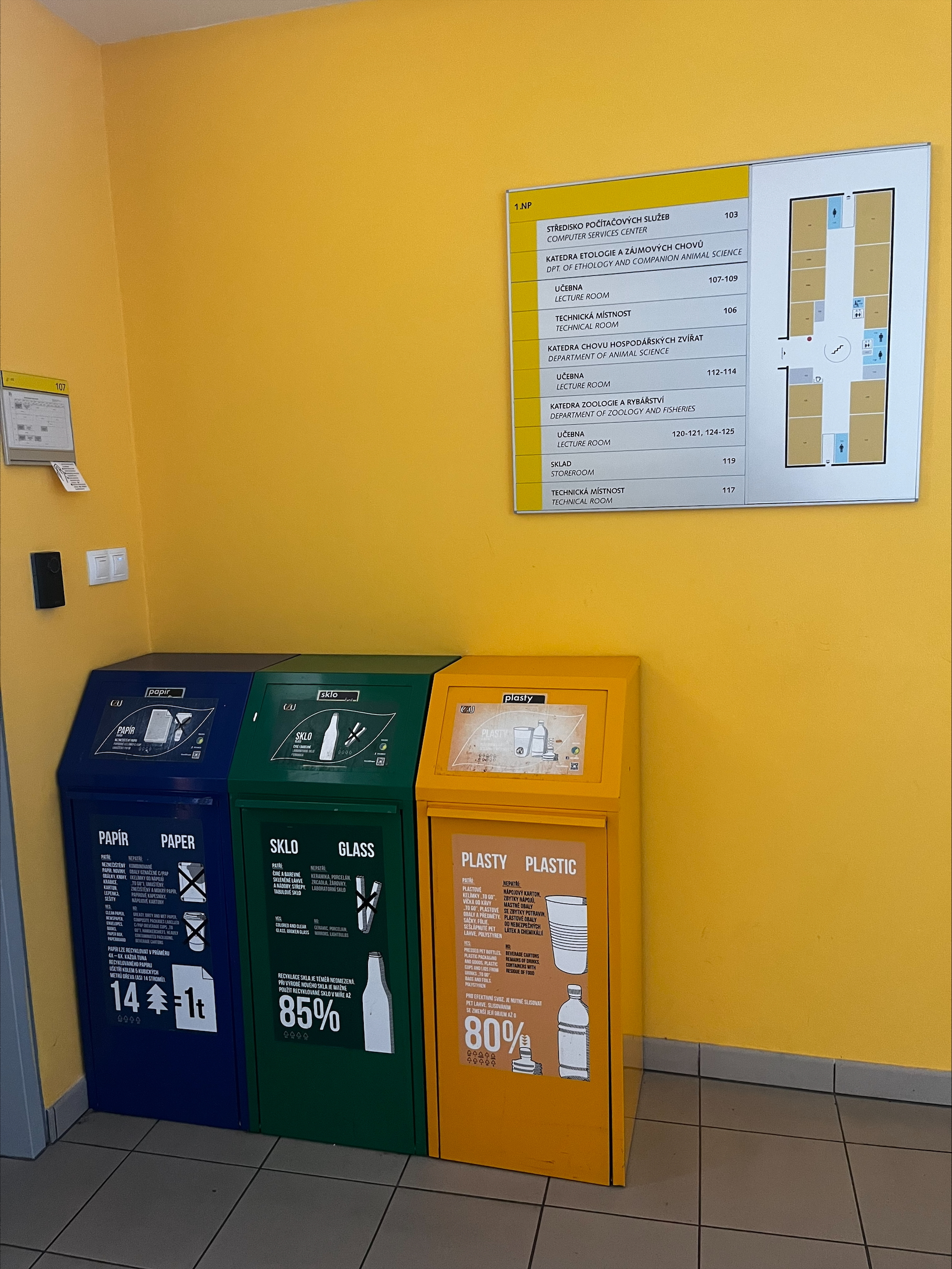
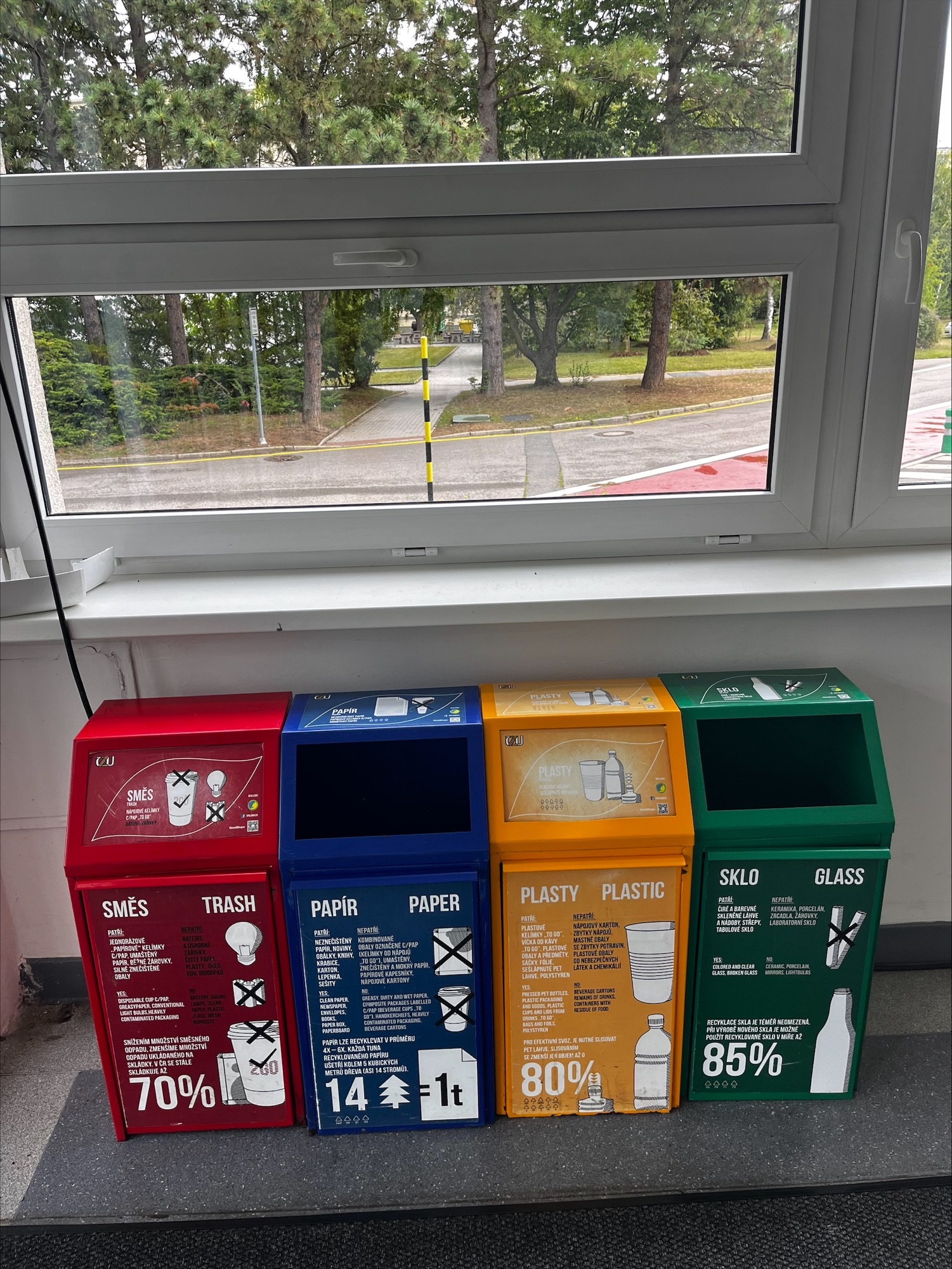
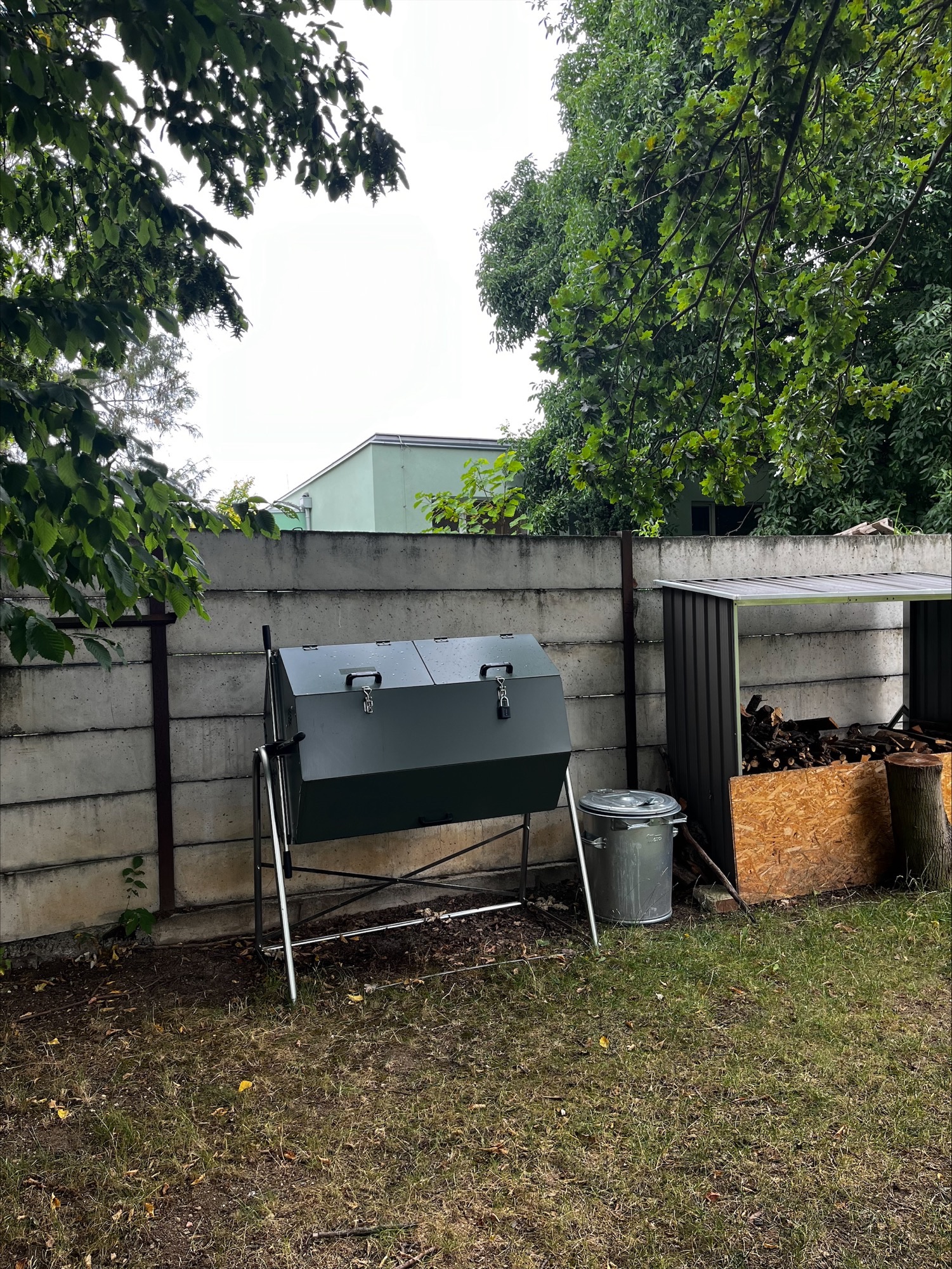
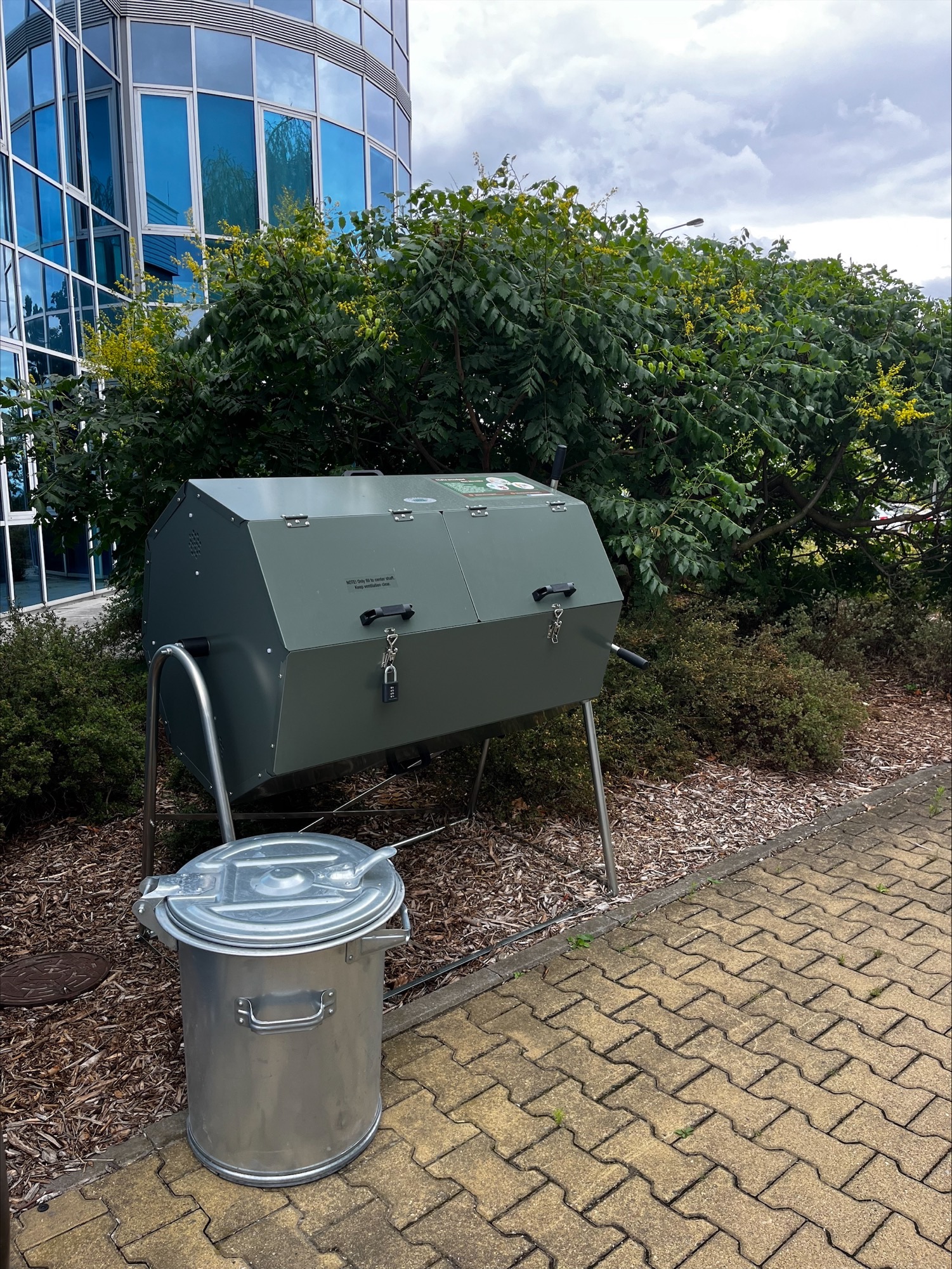
Places for sorting biowaste are gradually being created. These are insulated rotary Jora JK400 composters.
You can read more about this topic below.